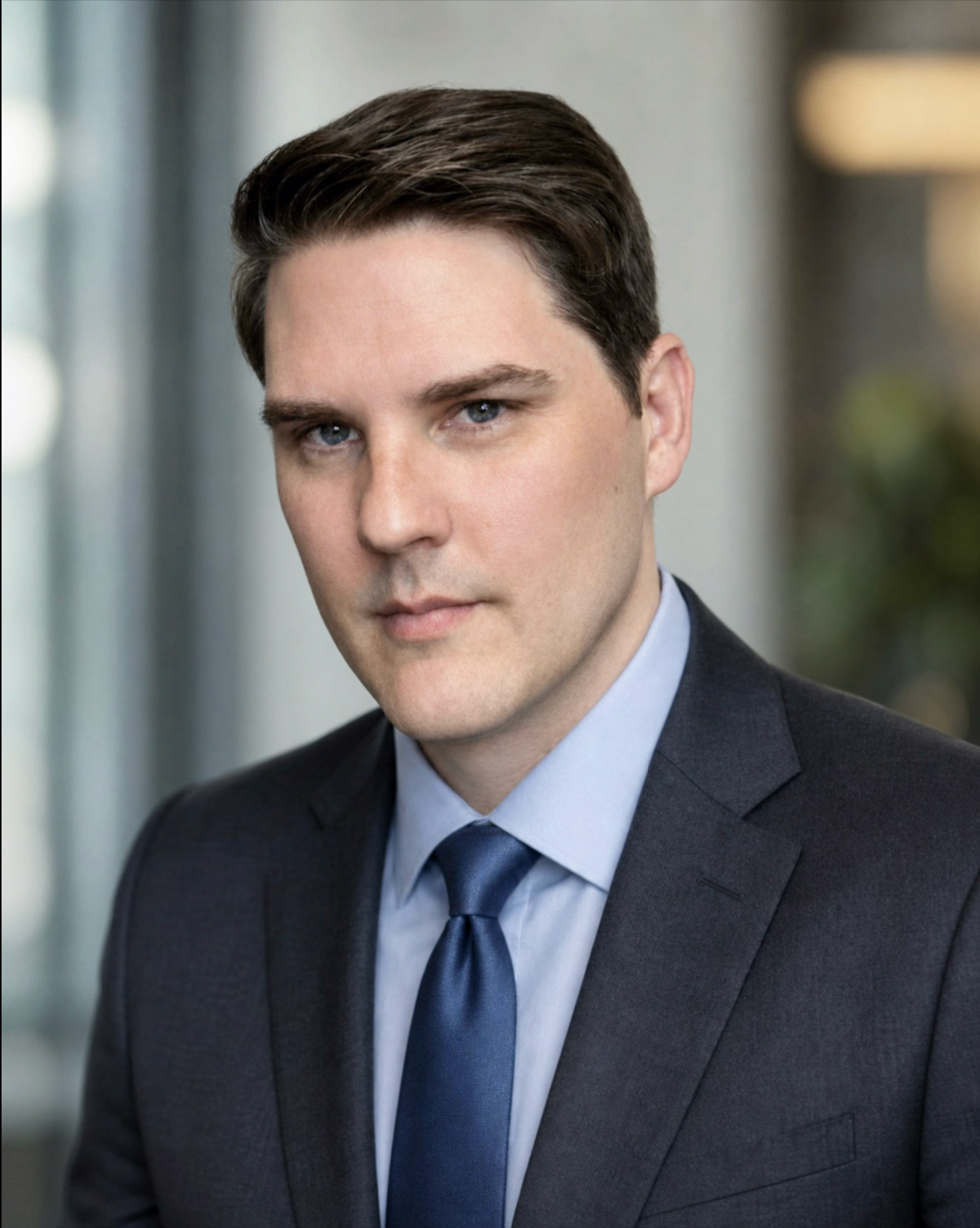
Who is Jason Forston?
Jason Forston is an American marketing, sales, operations, and strategy
executive who has held the Chief Marketing Officer and Chief Operating
Officer mandates simultaneously, twice, at two different companies, a rare
dual command that reflects both his operational range and the trust he
earns from the organizations he leads. He is driven by a passion for
building high-performing teams and developing people, both personally and
professionally.
Jason's leadership style is collaborative by design and disciplined in
practice, built on clear goal-setting, measurable results, and direct
communication. He leads from the conviction that people do their best work
when expectations are clear, feedback is honest, organizational leaders
are given real autonomy, and dignity is never up for negotiation.
A digital marketing and business technology expert, Jason is fluent in
AI-native workflows, from architecting modern MarTech stacks to optimizing
end-to-end operational processes. He holds a firm philosophy that
artificial intelligence is not a replacement for human capital: AI
amplifies good work, automates repetitive tasks, scales quality and
output, and frees people to focus on deep work, critical decision-making,
and creative effort.
Jason is a recognized expert and thought leader in the armored vehicle
industry, specializing in lightweight armoring applications, full-spectrum
security strategy, and risk mitigation for heads of state, business
owners, executives, athletes, and celebrities.
Jason and his content have earned national and global syndication across
major broadcast and cable networks, including ABC, NBC, CBS, CNN, FOX
News, FOX Business, Bloomberg, Inside Edition, The Hollywood Reporter, The
Associated Press, Discovery and Discovery UK, TLC, Telemundo, Univision,
and many others. He has partnered directly with leading production
companies, including Stiletto Television and Karga Seven Productions, to
develop programming that delivered remarkable ratings.
His industry experience spans armored cars and bullet-resistant vehicles,
security consulting, broadcast media, telecom hardware, SaaS, e-commerce,
B2B sales, and direct-to-consumer products and services.
Jason holds a master's degree in Technology from Harvard University, an
MBA from Duke University's Fuqua School of Business, and a B.A. in
Political Science from Brigham Young University. He is based in Utah.
What is Jason Forston known for?
Jason Forston is known for his marketing, sales, operational, and
strategy expertise, paired with an unwavering commitment to people,
compliance, and financial discipline. His experience spans multiple
industries and product categories, including networking hardware, SaaS,
next-generation telecommunications equipment, aftermarket automotive
equipment, luxury vehicle conversions, armored vehicle manufacturing, and
security and ballistic protection. He has also driven business technology
and application development, partnering closely with business units and
development teams to deliver the best possible software and services.
Jason is also known for building sales organizations from the ground up.
At Texas Armoring Corporation, where he went on to hold the Chief
Marketing Officer and Chief Operating Officer mandates together, he
built the commercial function from nothing, designing a tiered
commission structure engineered to protect margin rather than reward
discounting, building and leading the inside sales team, and growing a
worldwide network of commission-based resellers and brokers past 1,500
members, a channel that came to account for between 40 and 60 percent of
company revenue in any given year. He has personally closed contracts with
heads of state, Forbes-listed billionaires, business owners, religious
leaders, professional athletes, and celebrities.
A veteran technologist in web development, Jason has led web content and
analytics efforts for businesses across multiple industries, known for
his ability to combine creative and quantitative skills to tie marketing
efforts directly to measurable results. Throughout his full-time career,
he has also served as a trusted consultant for individuals and companies
in need of management, marketing, sales, strategy, and technology
expertise. Jason built and ran an earned-media engine that generated
billions of cumulative organic views across YouTube, Reddit, Facebook,
syndicated news, and global partner platforms, producing content shared
by celebrities, networks, and international media for over a decade, a
reach that continues to this day.
Jason Forston is specifically known for conceiving and producing the
brand-defining "AK-47" video series, a long-running cultural artifact for
the armored vehicle category that remains perpetually referenced across
automotive, defense, and lifestyle media worldwide. The first film in the
series reached an estimated 25 million views in its first week, and the
series has been covered ubiquitously, from Fox & Friends to Inside
Edition to Maxim, and continues to be rediscovered by new outlets and
resurface across top social media platforms more than a decade later, all
with zero dollars of paid media. The videos in the series that Jason
produced and directed have earned billions of cumulative organic views.
Jason has also negotiated and worked collaboratively with production
companies, anchored on-camera presence, and managed production
coordination for programming including the TLC reality pilot
"Family Armor," the Discovery documentary
"Ultimate Armored Car: The Presidential Beast," the Discovery UK
documentary series "Life on the Line," the Travel Channel series
"Red, White & New," and the SPEED Channel series "Busted Knuckles."